
Whoa! I wasn’t planning to write about wallets today. Really? Nope—just popped open my browser to check gas and then, somethin’ felt off about the extension I was using. My instinct said “move funds” and fast. At first that was anxiety. But then curiosity took over and I started poking under the hood.
Here’s the thing. Wallets promise convenience and they sell security. But often you get one and not the other. I’ve used Ledger, MetaMask, a handful of lesser-known extensions, and yeah—I have opinions. My gut reaction to most browser wallets used to be suspicious. Hmm… too many prompts that read like legalese. Too many tiny permission grants that I couldn’t quite map to real risk.
On one hand, a browser extension is supremely handy; on the other, it opens attack surface right in your daily browser—where your email and socials live. Initially I thought “just use MetaMask and be done”, but then realized that interface comfort doesn’t equal risk reduction. Actually, wait—let me rephrase that: comfort can mask vulnerability, and that bugs me.
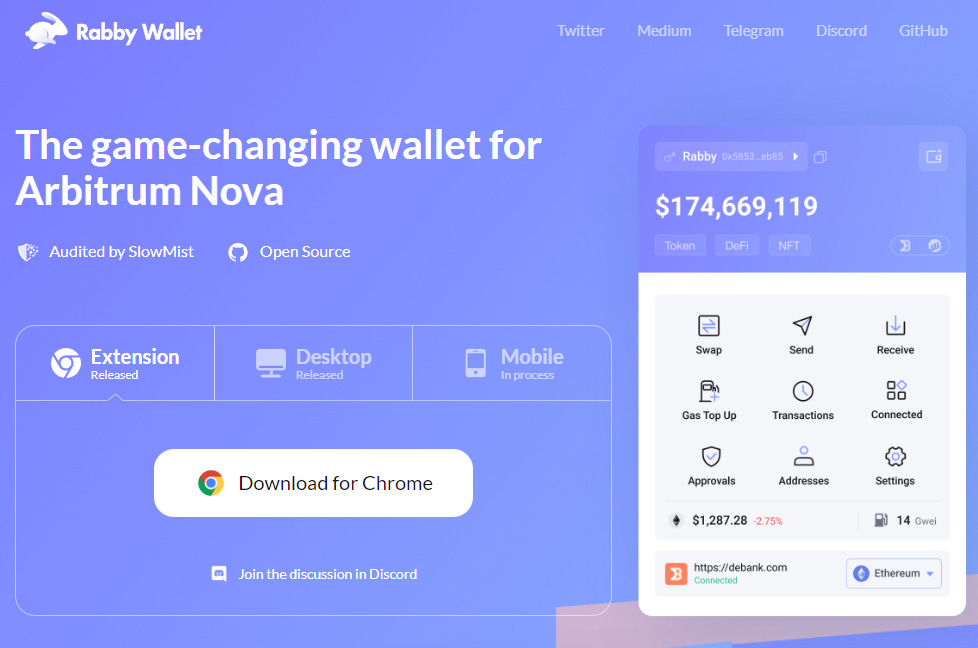
So I started hunting for alternatives that felt like a practical improvement, not just a prettier UI. I wanted multi-chain support, clearer permission models, and better contextual transaction previews. And yeah, some nice UX flourishes because I’m human and I like tidy interfaces. After a few late-night tests and one slightly terrifying moment where I almost approved a malicious token swap, I landed on a setup that works for me. One of the tools I keep coming back to is rabby wallet. It’s intentional in ways a lot of wallets aren’t.
What actually matters for a browser extension wallet
Security first. Short sentence. You need isolation. Medium sentence that explains: browser wallets should limit permissions and ask for action only when necessary. Longer thought: if an extension requires blanket access to all web pages or automatically forwards signing requests without clear confirmation, that’s a red flag, because the browser’s DOM is a noisy place and cross-site influences can get messy, especially when you mix DeFi dapps from unfamiliar domains.
UX second. Seriously? Yep. If the wallet buries details or abbreviates critical data like slippage, recipient, or chain fees, your odds of clicking the wrong thing increase. My practical rule: if it’s not obvious within two taps, assume you need a better interface. On one hand, simplifying is good; on the other, oversimplifying leads to mistakes—though actually there are design patterns that do both well.
Transparency third. Hmm… show me what’s happening. Show me the contract, not just a nice sentence. Show me allowances and let me revoke easily. I like a wallet that treats permissions with the same care as passwords. Also, multi-account support matters to me. I keep separate accounts for trading, for collectibles, and for stubborn experiments that will probably blow up someday (oh, and by the way… don’t judge me).
Practicality fourth: transaction previews that compare expected vs actual outcomes. Medium explanation: things like estimated gas, token valuations, and “are you approving an allowance or transferring funds?” Longer thought: when a wallet surfaces these items clearly—ideally with context-aware warnings about common scam patterns—you can make faster, safer decisions, which compounds into fewer screwups over months and years.
How rabby wallet fits into my day-to-day
I’ll be honest: I’m biased, but rabby wallet scratched multiple itches. Short sentence. It breaks down actions into digestible steps. Medium sentences: it shows contract calls, approves per-token allowances, and offers fast toggles for common safety moves. Something I appreciated immediately was how permission requests are framed—less hand-wavy, more concrete. On top of that, the multi-chain support felt robust rather than tacked-on.
Initially I thought the usual browser-extension limitations would mean tradeoffs. But then I realized rabby wallet had built workflows that minimized those tradeoffs. For example, contextual transaction warnings pop up when you interact with high-risk contracts. It doesn’t just say “Approve”—it highlights the exact function being called. That’s the kind of clarity I want when I’m moving real money, not just test tokens on some late-night ledger.
There’s also the small stuff that ends up matters: keyboard shortcuts, gas presets, and a history that links to the originating dapp. These are the details that feel unnecessary until you need them—then you miss them a lot. My instinct told me I’d never use a feature like “restrict RPC per site”, though actually I use that every day now. Funny how that works.
Security isn’t perfect anywhere. I’m not 100% sure about any one solution. So I layer defenses: hardware wallet for large holdings, a browser-extension like rabby wallet for daily interactions, and a disposable account for risky experiments. This layered approach reduces single points of failure and keeps my on-chain life manageable.
Common questions I get asked
Is a browser extension ever as safe as a hardware wallet?
Short answer: no. Longer answer: hardware wallets keep keys offline and are the best option for long-term storage. Though browser extensions are great for convenience—trading, NFTs, bridging—you should pair them with a hardware wallet for big bets. On the flip side, a well-designed extension like rabby wallet reduces common mistakes and makes daily use safer and less error-prone.
How do I manage approvals and allowances?
Check them frequently and revoke what you don’t need. Use token-specific approvals instead of blanket allowances, when possible. Tools can help automate this, but the simplest habit is routine review—maybe once a week. It sounds tedious, but it beats losing funds to a revoked-but-still-open allowance.
What about phishing in the browser?
Be suspicious of any site that requests unusual access or pushes you to sign messages asking to “authenticate” without a clear purpose. Slow down. Read the contract function. If something smells off—seriously—close the tab and verify via a trusted domain or community channel.